In today’s fast-paced digital world, upgrading your tech gear is not just a luxury; it’s a necessity for staying competitive and efficient. With the rapid advancements in technology, consumers are often left wondering when and how to upgrade their devices. This guide aims to provide insights into effective strategies for upgrading your tech equipment, ensuring you make informed decisions that enhance your productivity and enjoyment.
Understanding the Market Trends
The tech equipment market has seen significant growth in recent years, with a reported increase of 15% in global sales from 2021 to 2022, amounting to over $1 trillion. This surge is driven by the increasing reliance on technology for both personal and professional use. As more individuals transition to remote work and online learning, the demand for high-quality tech gear has skyrocketed, making it essential for consumers to stay updated on the latest trends and innovations.
Key Insight: Understanding these market trends can help consumers identify the right time to upgrade their tech gear. With the rapid pace of innovation, waiting too long to upgrade can result in missed opportunities for enhanced performance and efficiency. By keeping an eye on market statistics, buyers can make timely decisions that align with their needs.
Identifying Your Needs
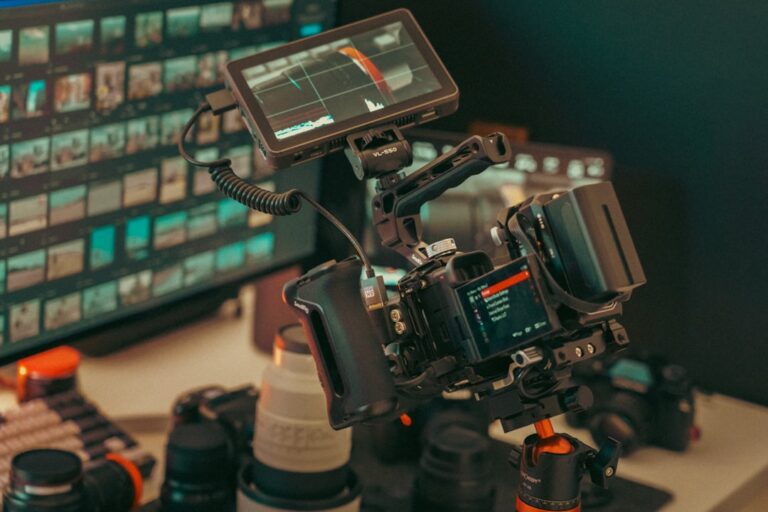
Before making any upgrades, it’s crucial to assess your current tech equipment and identify your specific needs. Consider factors such as your daily tasks, the software you use, and the performance of your existing devices. For instance, if you frequently engage in graphic design or video editing, investing in a high-performance laptop or desktop with a powerful graphics card may be necessary.
Additionally, understanding your usage patterns can guide your upgrade decisions. If you find that your current devices are slowing you down or unable to support the latest software updates, it may be time to consider an upgrade. By aligning your tech gear with your actual needs, you can avoid overspending on unnecessary features.
Budgeting for Upgrades
Budgeting is a critical aspect of upgrading your tech gear effectively. With the average consumer spending around $1,200 annually on tech equipment, it’s essential to plan your purchases wisely. Start by determining how much you can allocate for upgrades and prioritize your needs based on urgency and importance.
Consider exploring various financing options or sales events to maximize your budget. Many retailers offer discounts during holiday seasons or back-to-school sales, allowing you to purchase high-quality equipment at a lower price. By being strategic about your spending, you can ensure that you get the best value for your investment.
Researching the Best Options
Once you’ve established your needs and budget, the next step is to research the best options available in the market. Utilize online resources, customer reviews, and comparison websites to gather information about different brands and models. Pay attention to specifications, performance benchmarks, and user experiences to make an informed decision.
Additionally, consider seeking advice from tech experts or forums where enthusiasts share their insights. Engaging with communities can provide valuable perspectives on the latest trends and help you discover hidden gems that may not be widely advertised. Thorough research can significantly enhance your chances of selecting the right tech gear that meets your requirements.
Making the Purchase
After thorough research, it’s time to make your purchase. Ensure that you buy from reputable retailers that offer warranties and return policies, providing peace of mind in case the product does not meet your expectations. Online platforms like nextgensuppliestech.com specialize in tech equipment and often provide competitive pricing and excellent customer service.
Moreover, consider the timing of your purchase. If possible, wait for promotional events or seasonal sales to get the best deals. By being patient and strategic, you can save a significant amount on your tech upgrades, allowing you to invest in additional accessories or software that enhance your overall experience.